
How Stress Affects Gut Health (And What You Can Do About It)

The Modern Stress Epidemic
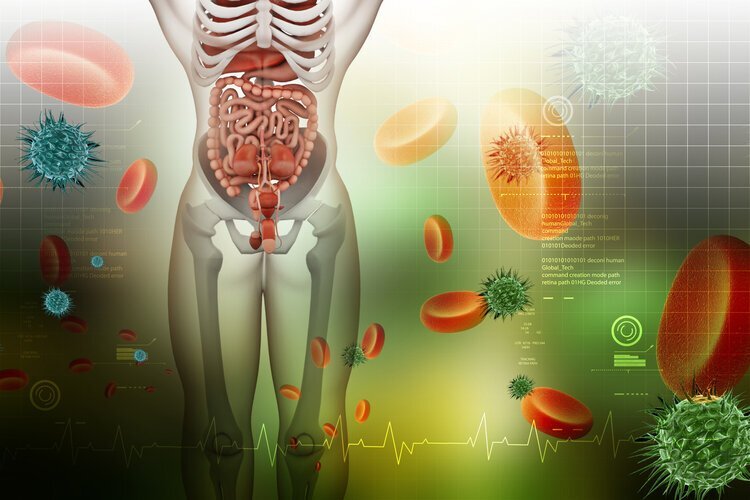
When stress becomes ongoing, it can lead to burnout, contributing to digestive disruption, inflammation and changes in gut bacteria.
Stress is something most of us experience daily, whether it is caused by work pressures, lack of sleep, financial worries or ongoing life challenges. While stress is often seen as a mental or emotional issue, it can have a significant impact on physical health too. One area that is particularly sensitive to stress is the digestive system.
Understanding how stress affects gut health can help explain symptoms such as bloating, digestive discomfort, fatigue and inflammation. The connection between the brain and the digestive system means that emotional stress can influence how the gut functions and how effectively the body absorbs nutrients.
When stress becomes ongoing, it may contribute to digestive disruption, inflammation and changes in gut bacteria. Learning natural ways to reduce stress and support the body’s recovery can make a significant difference to both digestive health and overall well-being.
If you would like a deeper understanding of the relationship between stress and digestion, the Stress Proof Body Blueprint ebook explores this topic in detail and provides practical strategies to help support your body.
The Stress and Gut Health Connection
The relationship between stress and digestion is stronger than many people realise. Scientists often refer to this relationship as the gut brain axis, which describes the constant communication between the digestive system and the brain.
The stress and gut health connection means that emotional or psychological stress can directly influence digestive function. When the body enters a stress response, it activates the fight or flight system. During this time, the body prioritises survival rather than digestion.
This response can affect stomach acid production, alter gut bacteria and slow down digestive processes. Over time, prolonged stress may contribute to digestive discomfort, inflammation and imbalances within the gut microbiome.

Find out how to build a stress-proof body
Chronic Stress Symptoms That Impact Digestion
While short bursts of stress are a normal part of life, ongoing stress can begin to affect multiple systems within the body.
Some common chronic stress symptoms include:
fatigue and low energy
. digestive discomfort or bloating
. headaches or muscle tension
. sleep disturbances
. difficulty concentratinglow libido
weight gain
. increased sensitivity in the digestive system
Because the digestive system is closely linked to the nervous system, prolonged stress can disrupt digestion and lead to what is sometimes described as stress inflammation within the gut.
Stress, Inflammation, and the Gut
Inflammation is the body’s natural defence response, but when stress becomes ongoing, it can lead to persistent inflammation.
Elevated stress hormones such as cortisol may contribute to stress inflammation in the digestive system. This inflammation can irritate the gut lining, disrupt the balance of beneficial bacteria and increase digestive sensitivity.
Over time, this may make the digestive system more reactive and less resilient. Supporting both gut health and stress resilience is therefore an important step towards restoring balance.
The Stress Proof Body Blueprint ebook explains how stress hormones influence digestion and provides practical strategies to support the gut and nervous system.
Ready to Take Control of Your Gut Health?
If you would like to understand how stress affects gut health in more depth and learn practical ways to support your body, the Stress Proof Body Blueprint ebook provides a clear step-by-step guide.
It explores the stress and gut health connection, explains how chronic stress symptoms can affect digestion and shares simple strategies to help regulate your nervous system and support gut healing.
You can get the ebook here
Natural Ways to Reduce Stress and Support Gut Health
While it is impossible to remove all stress from daily life, there are many natural ways to reduce stress and help the body recover more effectively.
Some simple approaches include:
• prioritising quality sleep
• spending time outdoors and moving your body regularly
• practising breathing exercises or relaxation techniques
• supporting gut health through balanced nutrition
• creating time for rest and recovery
These habits can help reduce stress, inflammation, and support the body’s natural healing processes.
How to Calm Your Nervous System
Because stress responses originate in the nervous system, learning how to calm your nervous system is an important part of supporting digestive health.
Techniques that may help regulate the nervous system include:
• slow breathing exercises
• meditation or mindfulness practices
• gentle movement such as walking or yoga
• reducing overstimulation from constant screen exposure
• establishing routines that support rest and recovery
When the nervous system becomes more balanced, the body can move away from survival mode and focus more effectively on digestion, repair and healing.
If you would like practical guidance on how to restore balance in the body, the Stress Proof Body Blueprint ebook explores the relationship between stress, digestion and nervous system health in more detail.
FAQs About Stress and Gut Health
How to heal your gut from stress?
Healing the gut from stress often involves addressing both digestive health and the nervous system. Persistent chronic stress symptoms can interfere with the body’s ability to repair the digestive lining and maintain a balanced microbiome.
Reducing stress through lifestyle changes, improving sleep and practising natural ways to reduce stress can help the body move into a state where healing becomes possible.
What are the symptoms of stress in the digestive system?
Stress can affect digestion in several ways. Symptoms may include bloating, stomach discomfort, irregular digestion, acid reflux or changes in appetite.
Because the stress and gut health connection is so strong, emotional stress can quickly influence digestive processes and increase gut sensitivity.
Some common chronic stress symptoms and signs of burnout include:
• fatigue and low energy
• digestive discomfort or bloating
• headaches or migraines
• muscle aches and tension
• low libido
• sleep disturbances
• difficulty concentrating
• increased sensitivity in the digestive system
• feeling overwhelmed or emotionally drained
What are the symptoms of a dirty gut?
The phrase “dirty gut” is often used informally to describe an imbalance in the gut microbiome. This imbalance may lead to symptoms such as bloating, fatigue, digestive discomfort, food sensitivities or brain fog.
Prolonged stress may contribute to this imbalance by increasing stress inflammation and disrupting healthy gut bacteria.
How to tell if your gut is healing?
As the digestive system begins to recover, you may notice improvements such as reduced bloating, more regular digestion, improved energy levels and fewer food sensitivities.
When stress levels decrease, and you learn how to calm your nervous system, the body can shift into a state that supports healing and repair.
Supporting Your Gut and Stress Resilience
Understanding how stress affects gut health is an important step towards improving overall well-being. By supporting both the nervous system and digestive health, it is possible to reduce inflammation and help the body regain balance.
If you would like a practical guide that explains the connection between stress and digestion in more detail, the Stress Proof Body Blueprint ebook provides clear insights and helpful strategies.
You can learn more about the ebook here
Want to understand how stress affects your gut and what you can do about it?
The Stress Proof Body Blueprint ebook explains the stress and gut health connection and provides practical strategies to support your body.
Get your copy here

About the Author
Dr. Leke is an NHS GP and Functional Medicine Doctor with deep expertise in gut health. His approach emphasises the relationship between the gut and overall wellness.



More from my gut health blog…